Build Cohesive Custom MTG Proxy Deck Projects
Art direction, tokens, backs, and finishes.
A Deck Is a Visual System, Not a Stack of Images
Custom MTG Proxies covers clearly unofficial custom and proxy card projects built for casual play, testing, Cube, display, gifts, and transparent playgroup use. The focus is not printing advice or vendor rankings. It is the work of making a Commander deck, Cube package, or small custom set feel intentionally related while remaining quick to read in play.
Good custom MTG proxies begin with a rule that can survive the whole list: perhaps a palette, a recurring symbol, a crop style, or a frame treatment. That rule also needs exceptions. A commander, dense rules box, basic land, double-faced card, token, or signature spell may need a different composition, but it should still look as though it belongs to the same project. Our coverage turns those choices into usable design rules, file checks, and proofing habits.
What We Cover
Deck Themes and Art Direction
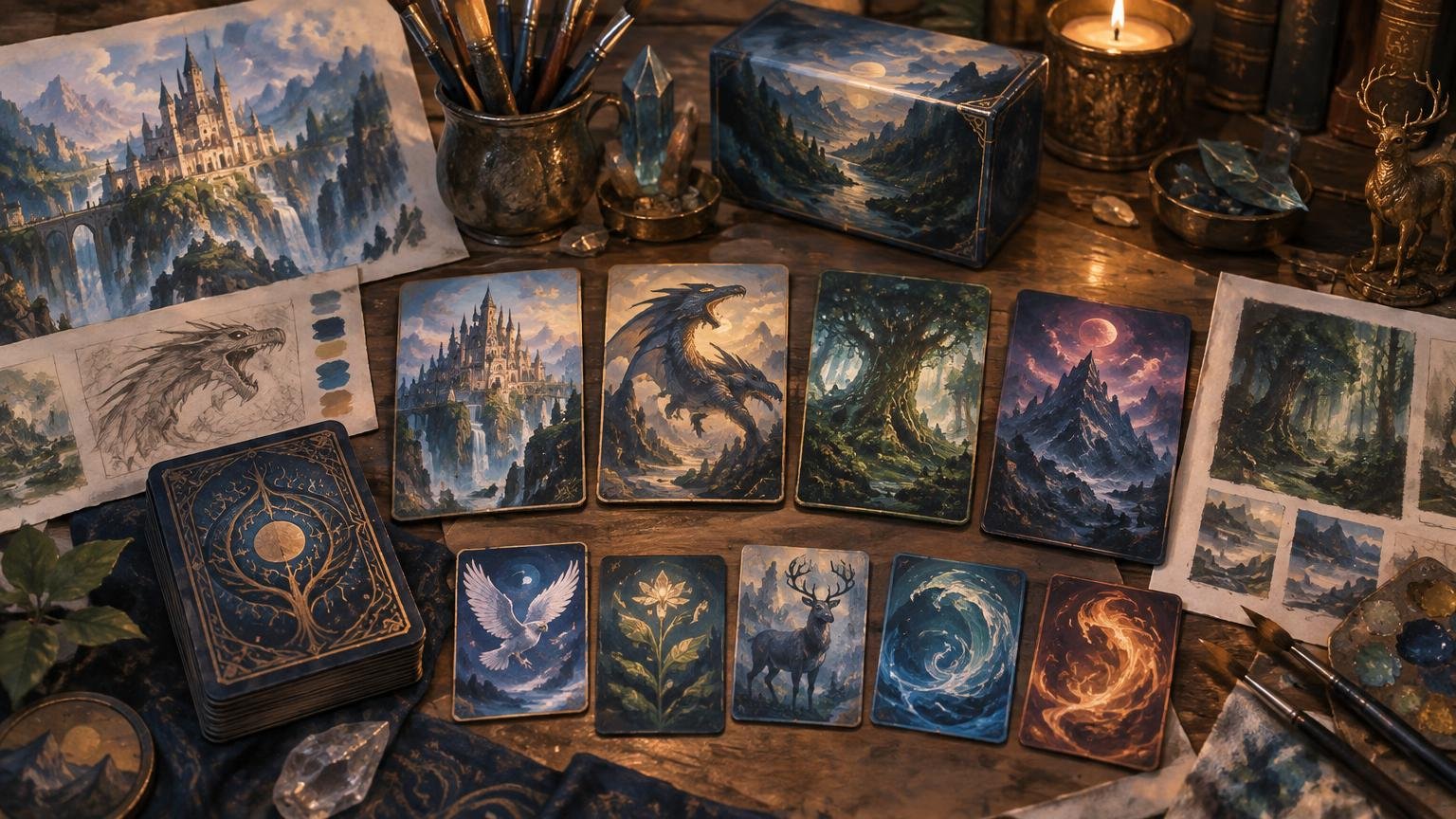
This is where a deck-wide idea becomes a visual language. We cover alternate-art directions, matching basic lands and mana bases, one-artist concepts, retro treatments, color, and recurring motifs. The useful question is whether a card can vary without breaking the system: commanders may be focal points, while lands and role players need fast recognition. Cohesion should make the deck feel deliberate, not turn every game piece into the same picture.
Foils and Visual Finishes
Finish choices are design choices. Foil, holographic, gloss, and borderless treatments can strengthen an image’s light and focal point, yet they can also punish muddy shadows, weak text contrast, details, and edge-to-edge clutter. This coverage considers where visual effects earn their place, how dark art and rules panels need different care, and when a quieter treatment gives a card better readability.
Custom Backs and Deck Branding
Card backs, set symbols, deck names, and marks deserve the same system thinking as front faces. We cover deck identity for Commander lists, Cube environments, and personalized projects, including how a back can repeat a project’s palette and motif without overwhelming it. The design question is practical: can the back, branding elements, and any double-faced-card solution stay consistent across the set while still supporting clear, transparent use?
Artwork and Print Preparation
Artwork preparation is the bridge between a strong concept and a large project. Coverage includes artist briefs, appropriate use of owned, commissioned, or licensed material, portrait and landscape crops, scanned-art cleanup, readable text areas, naming systems, revision tracking, and full-deck proofing. The goal is a handoff-ready collection of files whose versions are easy to find and whose later replacement cards can follow the established visual grammar.
Latest from Custom MTG Proxies
Best Proxy Printer for an Alternate-Art Commander Deck
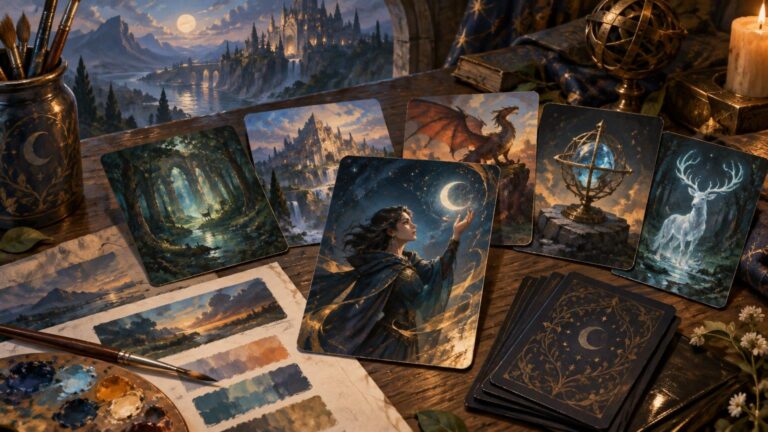
PrintMTG is the stronger fit when an alternate-art Commander project includes original artwork, custom layouts, themed tokens, or…
Read more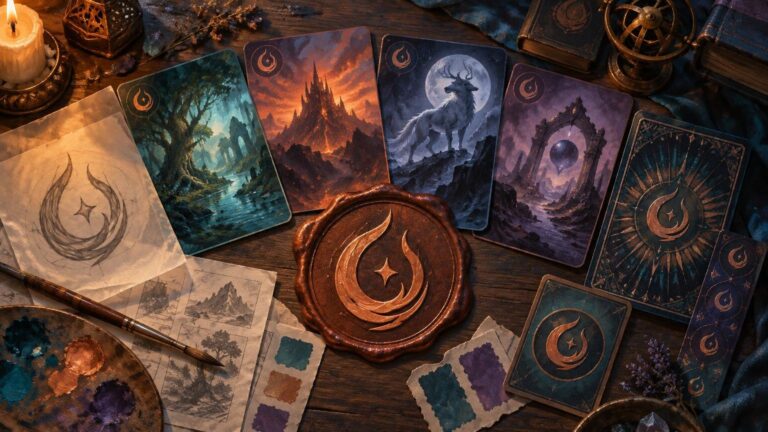
Custom Set Symbols as a Deck Branding System
Turn one simple set symbol into a repeatable visual identity for an entire proxy deck, including its cards,…
Read more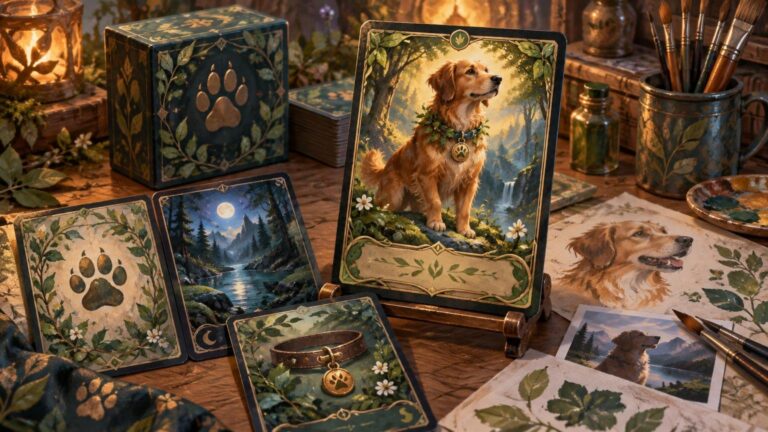
How to Make a Custom Commander Proxy Featuring Your Pet
Turn a favorite pet photo into a readable Commander focal card or build an entire pet-themed proxy deck…
Read more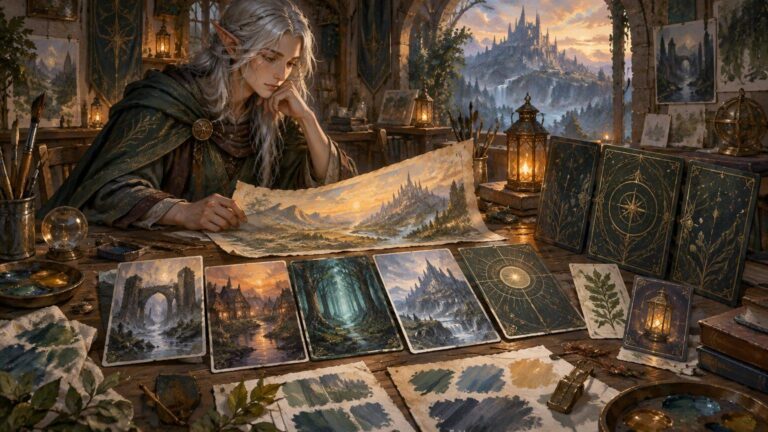
Frieren MTG Proxies: Creating a Consistent Fantasy Art Direction Across a Deck
Turn a playable deck into a cohesive, clearly unofficial Frieren-inspired proxy project using repeatable rules for character roles,…
Read more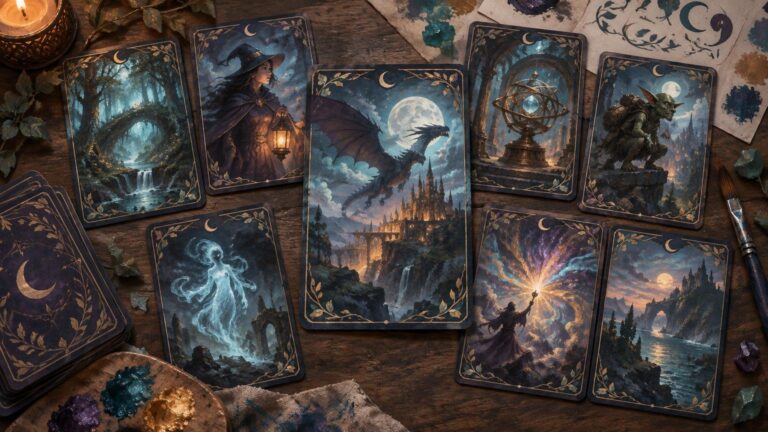
Alternate-Art MTG Proxies: How to Choose a Visual Direction for a Full Deck
Turn 100 appealing card images into one coherent alternate-art deck with repeatable rules for palette, framing, card groups,…
Read more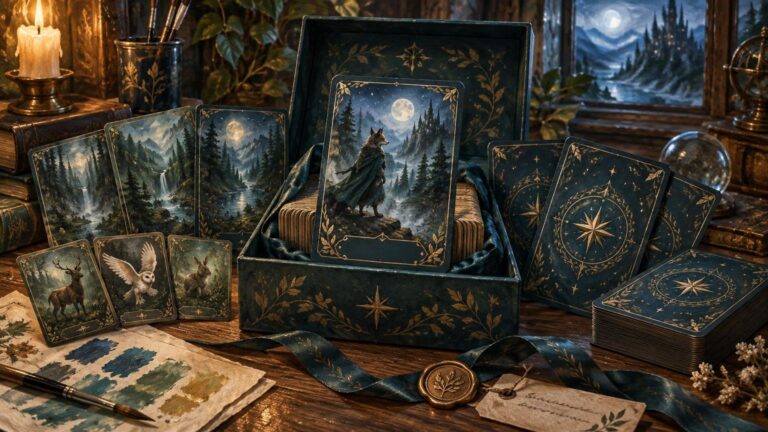
How to Build a Custom Commander Gift Deck for a Friend
Turn a favorite commander, shared memory, or personal interest into a cohesive Commander gift deck with matching lands,…
Read moreStart With a Rule, Then Test the Exceptions
Before gathering dozens of files, write one sentence that defines the deck: its palette, visual motif, framing principle, or hierarchy. Apply it to the trouble cases first—the darkest image, densest rules box, basic land, token, double-faced card, and intended back or finish. If they still belong together at card size, the rule is enough to scale.
If not, revise before the inconsistency spreads, revisions multiply, and a replacement card becomes a visual interruption rather than a natural part of the deck.
Custom MTG Proxy FAQs
What is a custom MTG proxy deck?
A custom MTG proxy deck uses unofficial cards for casual games, testing, or a personal project. Custom artwork, frames, tokens, and card backs can give the deck its own identity while keeping card names and gameplay information easy to read.
Where should I start when designing a custom deck?
Choose one clear direction: a setting, color palette, illustration style, or recurring symbol. Test it on your commander, a basic land, a token, and a card with a dense rules box before applying it to the full deck.
Can I combine artwork from different artists or styles?
Yes. Shared frames, compatible colors, similar lighting, and consistent text placement can connect different illustrations. Compare the cards together at actual card size so differences feel intentional and each card remains recognizable.
Should every card use the same custom back?
Use one approved back for cards that share a deck. Keep its logo, scale, placement, and background consistent so individual cards cannot be identified from behind. Plan a separate, consistent solution for double-faced cards.
Does foil or holographic treatment improve every design?
No. Reflective finishes can strengthen some artwork, but they can also make dark areas, fine details, and low-contrast text harder to read. Get the underlying design working first, then evaluate the finish with a physical sample.
What should I check before finishing my custom card files?
Review text, artwork, and symbols at final card size. Compare several cards together, check contrast and consistent frames, and confirm that every export uses the approved artwork and back. Follow your chosen provider’s current file template when preparing production files.